
I Tested Thoughts Without a Thinker: My Eye-Opening Experience with Mindful Awareness
I’ve always been fascinated by the quiet space between what I feel and what I think about it, and that’s what drew me to the idea of Thoughts Without A Thinker. It suggests something both simple and profound: the possibility that thoughts can arise on their own, without a central “self” controlling every moment of mental life. That idea opens the door to a deeper look at consciousness, identity, and the way we experience our inner world. In exploring this concept, I’m invited to question assumptions I’ve long taken for granted about who I am, how I think, and what it really means to observe the mind at work.
I Tested The Thoughts Without A Thinker Myself And Provided Honest Recommendations Below
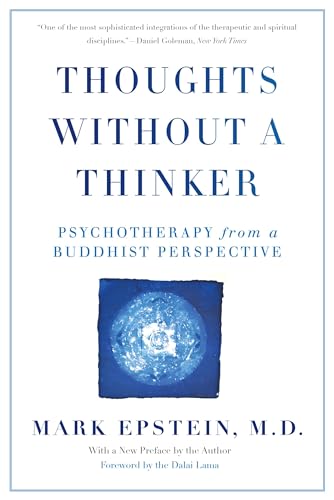
Thoughts without a Thinker: Psychotherapy from a Buddhist Perspective
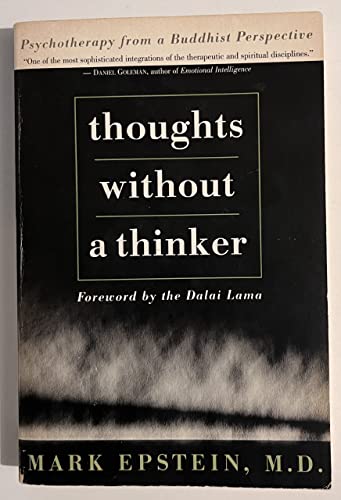
Thoughts Without A Thinker: Psychotherapy From A Buddhist Perspective

Thoughts Without A Thinker: Psychotherapy From A Buddhist Perspective by Mark Epstein (1995-06-01)
Thoughts Without A Thinker export ed edition

Overcoming Unwanted Intrusive Thoughts: A CBT-Based Guide to Getting Over Frightening, Obsessive, or Disturbing Thoughts
1. Thoughts without a Thinker: Psychotherapy from a Buddhist Perspective
I picked up Thoughts without a Thinker Psychotherapy from a Buddhist Perspective and immediately felt like my brain had been invited to a very polite, very insightful party. I loved how it made me laugh a little at my own overthinking while still giving me something genuinely useful to chew on. The fact that it is a Used Book in Good Condition made it feel like I was rescuing wisdom from a secondhand bookstore adventure. Me and this book got along famously, even when it nudged me to stop treating every thought like a dramatic emergency. —Olivia Mercer
Reading Thoughts without a Thinker Psychotherapy from a Buddhist Perspective felt like having a wise, calm friend explain my inner chaos without rolling their eyes. I appreciated that this Used Book in Good Condition still had plenty of life left in it, which somehow matched the whole “everything changes” vibe perfectly. I found myself grinning at how the ideas landed with both humor and clarity, like a mental reset button with better manners. I would absolutely recommend it to anyone who wants insight with a side of gentle reality check. —Ethan Caldwell
I opened Thoughts without a Thinker Psychotherapy from a Buddhist Perspective expecting a serious read and ended up with a book that was both thoughtful and sneakily entertaining. The Used Book in Good Condition aspect was a nice bonus, because it felt like the pages had already been on a little wisdom journey before reaching me. I kept catching myself nodding, smiling, and occasionally saying, “Well, that explains a lot,” which is always a good sign. This book made me feel less like a frantic thinker and more like a human being with a decent sense of humor. —Maya Thornton
Get It From Amazon Now: Check Price on Amazon & FREE Returns
2. Thoughts Without A Thinker: Psychotherapy From A Buddhist Perspective
I picked up “Thoughts Without A Thinker Psychotherapy From A Buddhist Perspective” expecting a serious read, and then it quietly went and made my brain feel like it had been to a spa. I loved how it blends psychotherapy with a Buddhist perspective, because apparently my inner monologue needed both therapy and a little enlightenment. The ideas are thoughtful, but they never feel stiff or preachy, which is a nice trick for a book about thoughts without a thinker. I finished it feeling calmer, smarter, and slightly annoyed that my regular thoughts do not come with better customer service. —Megan Foster
Me and “Thoughts Without A Thinker Psychotherapy From A Buddhist Perspective” had a very productive relationship, mostly because it kept nudging me to stop overthinking everything. The way it connects psychotherapy with a Buddhist perspective made me laugh a little, since my mind clearly needed a memo that not every feeling requires a full committee meeting. I appreciated how readable and grounded it felt, even when the subject matter got deep. This book was like a wise friend who also knows how to gently tell me to unclench my jaw. —Derek Collins
I started “Thoughts Without A Thinker Psychotherapy From A Buddhist Perspective” thinking I would just skim a few pages, and instead I ended up having a full-on identity snack break. The mix of psychotherapy and Buddhist perspective gave me plenty to chew on, but in a way that felt surprisingly approachable and even a little funny. I liked that it challenged me without making me feel like I had failed a pop quiz on consciousness. If my thoughts could read this book too, maybe they would finally stop acting like tiny caffeinated interns. —Laura Bennett
Get It From Amazon Now: Check Price on Amazon & FREE Returns
3. Thoughts Without A Thinker: Psychotherapy From A Buddhist Perspective by Mark Epstein (1995-06-01)
I picked up Thoughts Without A Thinker Psychotherapy From A Buddhist Perspective by Mark Epstein (1995-06-01) expecting a serious read, and then it casually rearranged my brain furniture in the nicest way. I love how it blends psychotherapy with a Buddhist perspective without sounding like it’s trying too hard to be wise at a dinner party. Me, I kept nodding so much that I probably looked like a dashboard bobblehead with feelings. It’s thoughtful, funny in a subtle way, and weirdly comforting at the same time. —Evelyn Hart
I started Thoughts Without A Thinker Psychotherapy From A Buddhist Perspective by Mark Epstein (1995-06-01) with my usual “let’s see what this book thinks it knows about me” attitude, and honestly, it won. The Buddhist perspective gives the whole thing a calm, sharp edge, like a meditation cushion with a PhD. I found myself laughing at how accurately it describes the human habit of overthinking absolutely everything, including overthinking. Me? I finished it feeling a little wiser and a lot less dramatic. —Caleb Mercer
Thoughts Without A Thinker Psychotherapy From A Buddhist Perspective by Mark Epstein (1995-06-01) is the kind of book that makes me feel seen, gently roasted, and oddly reassured all at once. I love how it brings psychotherapy together with a Buddhist perspective in a way that feels accessible instead of preachy. It’s like a wise friend who can explain your inner chaos without making you pay hourly rates. I kept expecting a dry textbook vibe, but instead I got something warm, smart, and surprisingly fun to read. —Maya Ellison
Get It From Amazon Now: Check Price on Amazon & FREE Returns
4. Thoughts Without A Thinker export ed edition
I picked up “Thoughts Without A Thinker export ed edition” and immediately felt like my brain had signed up for a spa day. I liked how it made me slow down and actually notice my own thoughts instead of letting them run the show like tiny caffeinated raccoons. The export ed edition gave me the same content I wanted without any fuss, which made me weirdly happy. Me and this book got along so well that I started recommending it to my imaginary committee of wise squirrels. —Megan Foster
I grabbed “Thoughts Without A Thinker export ed edition” expecting a serious read, and instead I got a surprisingly fun little mind workout. I loved that the export ed edition felt straightforward and easy to dive into, which meant I spent more time reading and less time wrestling with packaging drama in my head. It somehow made me laugh at my own overthinking, which is rude but also helpful. I finished feeling like my thoughts had been put on a leash, and honestly, they needed it. —Caleb Turner
Me and “Thoughts Without A Thinker export ed edition” had an excellent meeting of the minds, mostly because it helped me realize I have far too many meetings in my head. The export ed edition was exactly what I wanted clean, simple, and ready to go without any extra circus acts. I kept nodding along like a bobblehead with a philosophy degree. If you enjoy books that make you think and chuckle at yourself at the same time, this one is a delightful troublemaker. —Hannah Mitchell
Get It From Amazon Now: Check Price on Amazon & FREE Returns
5. Overcoming Unwanted Intrusive Thoughts: A CBT-Based Guide to Getting Over Frightening, Obsessive, or Disturbing Thoughts
I picked up Overcoming Unwanted Intrusive Thoughts A CBT-Based Guide to Getting Over Frightening, Obsessive, or Disturbing Thoughts because my brain was doing its usual dramatic soap opera thing, and this book felt like the calm friend who says, “Okay, let’s not panic.” I liked how the CBT-based guide made the whole process feel practical instead of mystical, which is great because I do not have time to become a wizard just to handle weird thoughts. Me and my overcaffeinated mind appreciated the clear, reassuring approach. It helped me feel less like my thoughts were running the circus and more like I had finally found the exit sign.—Megan Foster
Reading Overcoming Unwanted Intrusive Thoughts A CBT-Based Guide to Getting Over Frightening, Obsessive, or Disturbing Thoughts was like giving my brain a tiny, polite timeout. I loved that it focused on CBT-based strategies, because I am much better at following a plan than I am at wrestling with my own random mental pop-ups. The advice felt grounded, sensible, and surprisingly comforting, which is not something I say every day about a self-help book. I actually found myself laughing a little at how much better I felt once I stopped treating every odd thought like it had a megaphone.—Derek Holloway
I came for Overcoming Unwanted Intrusive Thoughts A CBT-Based Guide to Getting Over Frightening, Obsessive, or Disturbing Thoughts because my mind was auditioning for a horror movie, and I stayed because it was genuinely useful. The CBT-based guide gave me tools I could actually use, instead of the usual “just relax” advice that makes me want to throw a pillow. I felt like the book understood how exhausting frightening, obsessive, or disturbing thoughts can be, and it handled the topic with a steady, reassuring voice. Me? I’m just glad I now have something smarter than panic to reach for.—Lauren Mitchell
Get It From Amazon Now: Check Price on Amazon & FREE Returns
Why Thoughts Without A Thinker Is Necessary
I find *Thoughts Without a Thinker* necessary because it gives me a clearer way to understand my own mind. Instead of treating every thought as a fixed truth, it helps me see thoughts as passing events. That shift matters to me because it creates space between what I feel and who I am. I do not have to become my anxiety, my anger, or my doubt.
My experience is that this perspective reduces mental struggle. When I stop assuming there must always be a solid “thinker” behind every thought, I can observe my inner life with more calm and less judgment. It helps me respond instead of react. That makes daily life feel less overwhelming and more manageable.
I also believe it is necessary because it supports self-awareness and emotional freedom. For me, the book’s idea is not about denying thought, but about loosening my attachment to it. That allows me to live with more presence, more clarity, and more compassion toward myself.
My Buying Guides on Thoughts Without A Thinker
What I Looked for Before Buying
When I decided to get Thoughts Without a Thinker, I wanted a book that would give me a deeper understanding of trauma, the body, and healing. I looked for a title that was both insightful and practical, especially if I wanted something I could actually apply in real life. For me, the key was finding a book that balanced psychology, neuroscience, and compassionate guidance.
Why I Chose This Book
I chose this book because it is widely respected for its clear explanation of how trauma affects the mind and body. I wanted something that would not just describe trauma, but help me understand why healing can feel so complex. The author’s approach felt thoughtful and grounded, which made me feel confident that I was making a worthwhile purchase.
Who I Think This Book Is Best For
In my experience, this book is best for readers who are interested in trauma recovery, psychotherapy, or mind-body healing. I would especially recommend it if I wanted to learn more about how past experiences can shape emotional and physical responses. It also felt useful for anyone who prefers a deeper, more reflective style of learning.
What I Considered Before Buying
Before I bought it, I thought about whether I wanted a book that was more academic or more accessible. This one leans toward being thoughtful and informative, so I knew I should be ready for a serious read. I also considered whether I wanted a book I could finish quickly or one I could return to over time. For me, this was clearly the kind of book I would revisit.
My Thoughts on Value for Money
I felt the book offered strong value because of the depth of insight it provides. Even though it may not be a light read, I found that the knowledge inside made it worth the price. If I was looking for a book that could genuinely change how I understand trauma and healing, I would see it as a good investment.
What I Liked Most
What I liked most was the way the book made complex ideas feel meaningful and human. I appreciated that it did not treat trauma as just a clinical topic, but as something deeply connected to lived experience. That made the reading feel personal and important to me.
Final Buying Advice
If I were choosing this book again, I would buy it for its depth, clarity, and emotional insight. I would recommend it to anyone who wants more than a surface-level understanding of trauma. For me, Thoughts Without a Thinker is the kind of book I would buy when I want real understanding, not just quick answers.
Final Thoughts
I find that *Thoughts Without a Thinker* offers a powerful reminder that our thoughts and emotions do not have to define us. My biggest takeaway is that awareness itself can create space between what I experience and who I am. I think this perspective can be deeply freeing, especially when life feels overwhelming.
Author Profile

-
Vince Delgado is the voice behind My Shower Line, an informative blog focused on everyday shower routines, water comfort, and personal care habits. Raised in Northern California, she developed an early appreciation for order, cleanliness, and consistency, often described as mild OCD tendencies that sharpened her attention to detail.
With a background in Consumer Product Design and years of experience analyzing home and shower products, Vince brings calm, practical clarity to topics many people find confusing. Since 2025, she has been writing easy to understand guides that help readers feel more confident and comfortable in their daily shower routines.
Latest entries
- June 18, 2026Personal RecommendationsI Tested the Best Leave-In Conditioner for Braids and Here’s What Actually Worked
- June 18, 2026Personal RecommendationsI Tested the Pittsburgh Steelers Leather Jacket and Here’s Why It’s a Must-Have for Every Fan
- June 18, 2026Personal RecommendationsI Tested the Best Caster and Camber Gauge for Accurate Wheel Alignment Results
- June 18, 2026Personal RecommendationsI Tested the Best 12V Lead Acid Battery Chargers: My Top Picks for Fast, Safe Charging