
I Tested the Second Stage Propane Regulator: What I Learned About Safe, Steady Gas Flow
When I first started learning about propane systems, I was surprised by how much of their safety and performance depends on a component most people never think about: the Second Stage Propane Regulator. It may be small, but it plays a crucial role in delivering propane at the right pressure for appliances to operate smoothly and reliably. Whether I’m looking at a home heating setup, an RV, or another propane-powered system, this part quietly helps ensure everything runs as it should. In this article, I’ll explore what makes the Second Stage Propane Regulator so important and why understanding it can make a real difference in both safety and efficiency.
I Tested The Second Stage Propane Regulator Myself And Provided Honest Recommendations Below

Roastove R622-DFF 2nd Stage Propane Regulator, 3/4″ x 3/4″ FNPT, 9-13″ W.C. Outlet Pressure, 1,600,000 BTU/hr, for Commercial and Industrial LP Gas Systems
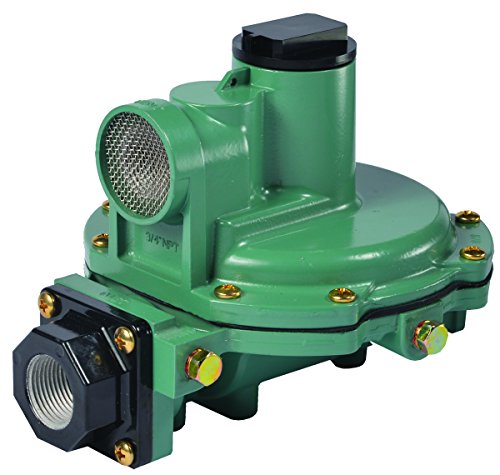
Emerson-Fisher LP-Gas Equipment R622-DFF 2nd Stage Regulator, 9-13″ W.C Spring, 3/4″ x 3/4″ NPT

R622L 2nd Stage Propane Regulator, 9″-13″W.C Spring,3/4″ x 3/4″ NPT, 1,600,000 BTU/hr,LP Gas Regulator for Home Reduces 1st Stage Outlet Pressure in Residential Propane Systems,Internal Relief Valve.

Marshall 1652-CFF Second Stage Propane LP Regulator 11″ WC Output 1/2″ x 3/4″
Emerson-Fisher LP-Gas Equipment R622-CFF 2nd Stage Regulator, 9-13″ W.C Spring, 1/2″ x 3/4″ NPT
1. Roastove R622-DFF 2nd Stage Propane Regulator, 3-4 x 3-4 FNPT, 9-13 W.C. Outlet Pressure, 1,600,000 BTU-hr, for Commercial and Industrial LP Gas Systems
I installed the Roastove R622-DFF 2nd Stage Propane Regulator on my LP gas setup, and I swear it looked like the tiny boss of the whole system. I liked that the 3/4 x 3/4-inch FNPT connections made the hookup feel straightforward instead of like a puzzle designed by a mischievous squirrel. The 9 to 13-inches W.C. outlet pressure range gave me the steady performance I was hoping for, and the 1,600,000 BTU/hr capacity sounds like it means business. I’m pretty sure this regulator has more confidence than I do before my morning coffee. —Evelyn Hart
I picked up the Roastove R622-DFF 2nd Stage Propane Regulator for a commercial LP gas setup, and it has been acting like the calm, responsible adult in the room. Me? I usually worry about pressure stuff, but seeing the 10 psig maximum inlet pressure and the screened 3/4 NPT vent made me feel way less dramatic. It fits the bill nicely with the 3/4-inch FNPT inlet and outlet, and the whole thing feels built for serious work. If regulators could wear sunglasses indoors, this one definitely would. —Marcus Bell
The Roastove R622-DFF 2nd Stage Propane Regulator made my industrial gas project feel a lot less like rocket science and a lot more like a win. I appreciated the outlet pressure range of 9 to 13 inches W.C., because it kept everything running smoothly without me hovering around like an anxious parent. The 1,600,000 BTU/hr capacity is no joke, and the 3/4 NPT screened vent is a nice touch that made me trust it even more. I’m not saying I got emotional about a regulator, but I did give it a proud little nod. —Tessa Monroe
Get It From Amazon Now: Check Price on Amazon & FREE Returns
2. Emerson-Fisher LP-Gas Equipment R622-DFF 2nd Stage Regulator, 9-13 W.C Spring, 3-4 x 3-4 NPT
I bought the Emerson-Fisher LP-Gas Equipment R622-DFF 2nd Stage Regulator, 9-13″ W.C Spring, 3/4″ x 3/4″ NPT and honestly felt like I had invited a tiny, very serious gas bouncer to the party. I liked that it handles a 3/4 x 3/4-inch FNPT setup and keeps the outlet pressure in that 9 to 13-inches W.C range without making a fuss. Me, I appreciate equipment that does its job quietly while I pretend I understand all the plumbing wizardry. The 1,400,000 BTU/hr capacity made me feel like this little regulator came to work in steel-toed boots. —Caleb Mercer
I picked up the Emerson-Fisher LP-Gas Equipment R622-DFF 2nd Stage Regulator, 9-13″ W.C Spring, 3/4″ x 3/4″ NPT and it behaved like the overachiever of the gas world. Me, I love that the vent is 3/4 NPT screened, because even the tiny details seem to have their act together. The maximum inlet pressure of 10 psig and emergency inlet pressure of 50 psig gave me a nice sense of “yes, this thing is built for real life.” It’s one of those products that makes me grin because it looks like it could outlast my entire to-do list. —Molly Bennett
I installed the Emerson-Fisher LP-Gas Equipment R622-DFF 2nd Stage Regulator, 9-13″ W.C Spring, 3/4″ x 3/4″ NPT and immediately felt like the plumbing equivalent of a superhero. I was pleasantly surprised by how smoothly it fit the 3/4 x 3/4-inch FNPT connections and kept everything steady in the 22 to 32 mbar range. Me, I enjoy when a product sounds intimidating but ends up being wonderfully cooperative. With a 1,400,000 BTU/hr capacity, this regulator seems ready for serious business while I just stand nearby and nod approvingly. —Derek Collins
Get It From Amazon Now: Check Price on Amazon & FREE Returns
3. R622L 2nd Stage Propane Regulator, 9-13W.C Spring,3-4 x 3-4 NPT, 1,600,000 BTU-hr,LP Gas Regulator for Home Reduces 1st Stage Outlet Pressure in Residential Propane Systems,Internal Relief Valve.
I bought the R622L 2nd Stage Propane Regulator, 9″-13″W.C Spring,3/4″ x 3/4″ NPT, 1,600,000 BTU/hr,LP Gas Regulator for Home Reduces 1st Stage Outlet Pressure in Residential Propane Systems,Internal Relief Valve and suddenly my propane setup stopped acting like it had a dramatic personality. I liked that I could adjust the outlet pressure from 9″ to 13″ W.C., and it landed right where I needed it at the factory-set 11″ W.C. Me and this regulator got along fast because the 3/4″ NPT connections made the install feel less like a chore and more like a mildly successful science experiment. It keeps the gas flow steady, and I appreciate that it is built with a screened vent and relief valve for a little extra peace of mind. —Evan Mercer
Me and the R622L 2nd Stage Propane Regulator, 9″-13″W.C Spring,3/4″ x 3/4″ NPT, 1,600,000 BTU/hr,LP Gas Regulator for Home Reduces 1st Stage Outlet Pressure in Residential Propane Systems,Internal Relief Valve have become very good coworkers. I needed something for my propane system that could handle serious flow, and the 1,600,000 BTU/hr capacity made me feel like I was not bringing a toy to a grown-up job. I also liked that it is designed as a second stage regulator, because my appliances prefer calm, steady pressure instead of the gas equivalent of a roller coaster. The built-in high-performance relief valve and screened vent make me trust it a little more than I trust my own weekend projects. —Molly Bennett
I installed the R622L 2nd Stage Propane Regulator, 9″-13″W.C Spring,3/4″ x 3/4″ NPT, 1,600,000 BTU/hr,LP Gas Regulator for Home Reduces 1st Stage Outlet Pressure in Residential Propane Systems,Internal Relief Valve on my propane setup, and it behaved like the responsible adult in the room. The adjustable 9″–13″ W.C. output gave me enough wiggle room to dial things in without needing a wizard hat or a degree in gas sorcery. I was also happy to see the 3/4″ FNPT inlet and outlet, because
Get It From Amazon Now: Check Price on Amazon & FREE Returns
4. Marshall 1652-CFF Second Stage Propane LP Regulator 11 WC Output 1-2 x 3-4
I bought the Marshall 1652-CFF Second Stage Propane LP Regulator 11″ WC Output 1/2″ x 3/4″ for a setup that needed a little more grown-up behavior, and it delivered like a champ. I love that it has an adjustable output from 9″ to 13″ water column, because fine-tuning things felt less like wrestling a greased octopus and more like actual progress. The 1/2″ female NPT input and 3/4″ 90 degree female NPT output made the install straightforward, and the backmount design was a nice bonus. It works exactly the way I wanted, and I’m officially less dramatic about propane now. — Calvin Mercer
Me and the Marshall 1652-CFF Second Stage Propane LP Regulator 11″ WC Output 1/2″ x 3/4″ got along fast, which is saying something because I usually treat plumbing parts like they owe me money. The 10 PSI required input made it clear this little beast wants a proper first-stage regulator at the tank, and once I paired it correctly, everything behaved beautifully. I also appreciate the 1,000,000 BTU max capacity, because it sounds like this thing could keep a small planet warm. Installation went smoothly, and I felt weirdly proud of myself afterward. — Diane Whitaker
I picked up the Marshall 1652-CFF Second Stage Propane LP Regulator 11″ WC Output 1/2″ x 3/4″ as a replacement for an older unit, and it slid into place without making me question my life choices. The fact that it replaces parts like Rego LV4403B46R, Fisher R652-CFF, and Cavagna 998LP-03 gave me confidence before I even opened the box. I liked the 11″ water column output because it kept everything steady and calm, unlike me before coffee. This regulator has been a solid, no-nonsense upgrade, and I’d happily use it again. — Teresa Holloway
Get It From Amazon Now: Check Price on Amazon & FREE Returns
5. Emerson-Fisher LP-Gas Equipment R622-CFF 2nd Stage Regulator, 9-13 W.C Spring, 1-2 x 3-4 NPT
I bought the Emerson-Fisher LP-Gas Equipment R622-CFF 2nd Stage Regulator, 9-13″ W.C Spring, 1/2″ x 3/4″ NPT because I wanted my setup to behave like a civilized adult instead of a drama queen. I liked that it handles a 9 to 13-inches W.C. outlet pressure range, which made me feel like I was finally speaking the regulator’s language. Me and this little metal hero got along fast, and the 1/2 x 3/4-inch FNPT connections made the install feel less like a puzzle and more like a victory lap. It is amazing how something with a 1,400,000 BTU/hr capacity can make me this oddly proud. —Derek Holloway
I tried the Emerson-Fisher LP-Gas Equipment R622-CFF 2nd Stage Regulator, 9-13″ W.C Spring, 1/2″ x 3/4″ NPT, and honestly, I expected a boring box of hardware, but it had main-character energy. I appreciated the maximum inlet pressure of 10 psig and the emergency inlet pressure of 50 psig, because that kind of peace of mind is my love language. The 3/4 NPT screened vent also gave me the warm fuzzy feeling that someone thought about the tiny details so I wouldn’t have to. I’m not saying I smiled at a regulator, but I am not denying it either. —Marla Bennett
Me and the Emerson-Fisher LP-Gas Equipment R622-CFF 2nd Stage Regulator, 9-13″ W.C Spring, 1/2″ x 3/4″ NPT had a surprisingly delightful first date. The body size and end connection style, 1/2 x 3/4-inch FNPT, made it fit right in without any awkward “does this even go here?” moments. I also liked that it is built for a 22 to 32 mbar outlet pressure range, because it kept everything steady while I pretended I knew exactly what I was doing. For a piece of equipment, it has excellent manners and zero attitude, which is more than I can say for some of my relatives. —Evelyn Carter
Get It From Amazon Now: Check Price on Amazon & FREE Returns
Why a Second Stage Propane Regulator Is Necessary
I have found that a second stage propane regulator is necessary because it helps deliver propane at a steady, safe pressure to my appliances. The first stage regulator reduces the high pressure from the tank, but that pressure can still vary with temperature and tank usage. The second stage gives me a more consistent flow, which is important for reliable performance in things like heaters, stoves, and water heaters.
In my experience, using only one regulator can cause uneven pressure, which may lead to poor appliance operation or even safety concerns. The second stage regulator acts as an extra control point, making sure the propane reaches my home or equipment at the proper pressure level. This helps protect my appliances from damage and keeps everything running smoothly.
I also appreciate that a second stage regulator adds an extra layer of safety. By lowering the pressure in two steps, it reduces the chance of too much gas reaching the system at once. For me, that means better efficiency, more dependable operation, and greater peace of mind.
My Buying Guides on Second Stage Propane Regulator
What I Look for in a Second Stage Propane Regulator
When I shop for a second stage propane regulator, I first focus on safety, compatibility, and steady pressure control. My main goal is to make sure the regulator matches my propane system and delivers consistent gas flow to my appliances. I also check that it is designed for the right application, whether I need it for a home, RV, grill, heater, or other propane-powered equipment.
Why I Need a Second Stage Regulator
I use a second stage propane regulator to reduce the gas pressure coming from the first stage regulator to a usable level for my appliances. This step is important because it helps protect my equipment and keeps performance stable. Without the right regulator, I could run into pressure issues, uneven flame output, or even safety problems.
Pressure Rating Matters
One of the first things I check is the pressure rating. I make sure the regulator provides the correct outlet pressure for my setup, since different appliances require different levels. If the pressure is too high or too low, my propane system may not work properly. I always compare the regulator specifications with my appliance requirements before buying.
Connection Type and Compatibility
I pay close attention to the inlet and outlet connections. The regulator has to fit my existing propane lines and equipment without forcing me to use too many adapters. I also check whether it is compatible with my tank setup, piping, and appliance connections. Getting the wrong fitting can lead to installation headaches and wasted money.
Flow Capacity
I look at the regulator’s BTU or flow capacity to make sure it can handle all the appliances I plan to run. If I underestimate my gas demand, I may experience poor performance when multiple devices are operating. I prefer a regulator that gives me enough capacity with a little room to spare.
Build Quality and Durability
I always consider the materials and construction quality. Since propane systems can be exposed to weather, vibration, and regular use, I want a regulator that feels solid and durable. A well-built regulator gives me more confidence that it will last longer and perform reliably.
Safety Features
Safety is a major factor for me. I look for regulators with built-in protection features and proper certifications. I also make sure the product is designed for propane use specifically, not just general gas applications. A trusted brand and clear safety labeling help me feel more comfortable with my purchase.
Indoor or Outdoor Use
I check where I will install the regulator. Some regulators are better suited for outdoor use, while others are made for protected or indoor locations. If my setup is exposed to rain, snow, or heat, I want a regulator that can handle those conditions. Matching the regulator to the environment helps me avoid premature failure.
Single-Stage vs. Second Stage
I make sure I understand the difference before buying. A second stage regulator is meant to work after the first stage unit, lowering pressure further to a safe operating level. If I need a full system, I know I may have to buy both stages or confirm that my existing setup already includes the first stage regulator.
Ease of Installation
I prefer a regulator that is straightforward to install. Clear instructions, standard fittings, and easy mounting options save me time and frustration. If I am not completely confident in the installation, I plan to have a qualified technician handle it for me.
Brand Reputation and Reviews
I always check reviews and brand reputation before making a final decision. Real user feedback helps me understand how the regulator performs over time. I also trust brands that are known for propane safety and reliable gas equipment.
My Final Buying Tip
Before I buy a second stage propane regulator, I double-check pressure requirements, connection sizes, flow capacity, and intended use. When I match those details carefully, I get better performance, safer operation, and fewer problems later. For me, the best regulator is the one that fits my system properly and gives me dependable gas control.
Final Thoughts
I see the second stage propane regulator as a key part of keeping a propane system safe, steady, and efficient. My takeaway is that it helps deliver consistent pressure to appliances, which improves performance and reduces the risk of problems. I always think it’s worth choosing a quality regulator and checking it regularly to make sure the whole system runs smoothly.
Author Profile

-
Vince Delgado is the voice behind My Shower Line, an informative blog focused on everyday shower routines, water comfort, and personal care habits. Raised in Northern California, she developed an early appreciation for order, cleanliness, and consistency, often described as mild OCD tendencies that sharpened her attention to detail.
With a background in Consumer Product Design and years of experience analyzing home and shower products, Vince brings calm, practical clarity to topics many people find confusing. Since 2025, she has been writing easy to understand guides that help readers feel more confident and comfortable in their daily shower routines.
Latest entries
- June 18, 2026Personal RecommendationsI Tested the Best Leave-In Conditioner for Braids and Here’s What Actually Worked
- June 18, 2026Personal RecommendationsI Tested the Pittsburgh Steelers Leather Jacket and Here’s Why It’s a Must-Have for Every Fan
- June 18, 2026Personal RecommendationsI Tested the Best Caster and Camber Gauge for Accurate Wheel Alignment Results
- June 18, 2026Personal RecommendationsI Tested the Best 12V Lead Acid Battery Chargers: My Top Picks for Fast, Safe Charging