
I Tested Lead Free Solder Wire: My Honest Review of the Best Eco-Friendly Choice for Electronics Repairs
When I first started exploring the world of electronics and soldering, I quickly realized how much the materials we use can shape both performance and safety. One product that stands out to me is lead free solder wire, a modern alternative that reflects the industry’s shift toward cleaner, more responsible manufacturing. As I’ve learned, this seemingly simple material plays an important role in everything from hobby projects to large-scale production, making it a topic worth understanding more closely.
I Tested The Lead Free Solder Wire Myself And Provided Honest Recommendations Below

ZSHX Lead Free Solder Wire Sn99 Ag0.3 Cu0.7 Rosin core solder wire for electrical soldering (0.8mm 50g)
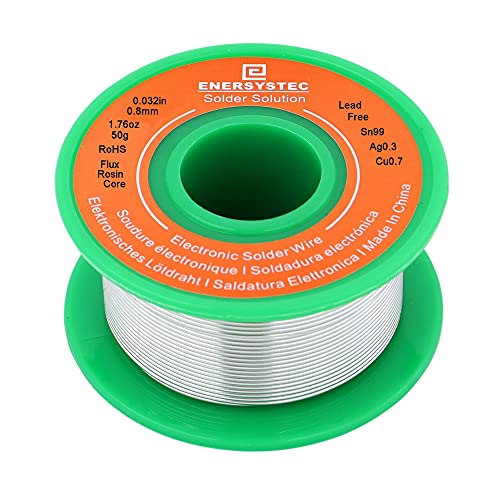
Lead-Free Solder Wire Rosin Core Flux 0.8mm Electric Solder Fine Sn99 Ag0.3 Cu0.7 Flow 0.032in 0.11lb No Lead for Electronics Soldering Unlead 50g

Weller WSW SCN M1 (T0051404399) Lead Free Solder Wire, Dia: 0.8 mm / 0.039 in, Wt: 100 g / 3.527 oz, Alloy Sn99.3Cu0.6Ni0.05, Flux content 3.5%

WYcYcW 3Pcs Solder Wire Leadfree,High Purity Tin Rosin Core Solder for Electronic Electrical Soldering Components Repair,Low Residue,Sn99.3 Cu0.7 (0.6mm 24g)
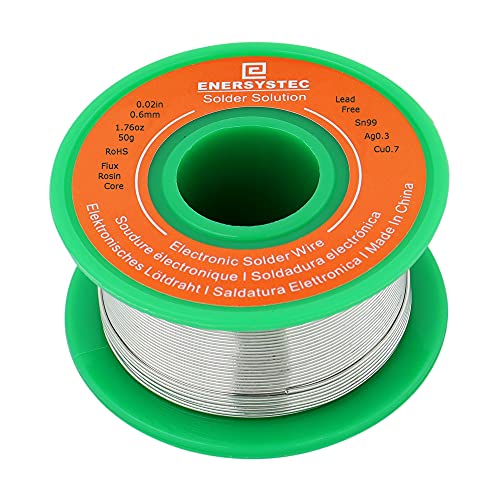
Lead-Free Solder Wire Rosin Core No Lead Wire Thin 0.6mm 50g Fine Solder with Flux 2.5 PB Free Sn99 Ag0.3 Cu0.7 Flow Electronics Soldering DIY Repair Tiny
1. ZSHX Lead Free Solder Wire Sn99 Ag0.3 Cu0.7 Rosin core solder wire for electrical soldering (0.8mm 50g)
I grabbed the ZSHX Lead Free Solder Wire Sn99 Ag0.3 Cu0.7 Rosin core solder wire for electrical soldering (0.8mm 50g), and I felt like my tiny electronics projects finally got a fancy upgrade. The 0.8 mm wire fed smoothly, and the rosin core made me look way more skilled than I probably am. I also liked that it is lead-free with Sn99-Ag0.3-Cu0.7 and a lower melting point of 217℃/422.6℉, because my soldering iron and I both appreciated the less dramatic heat situation. For a 50 gram spool, it packs a nice amount of “let’s fix this before I make it worse” energy. —Mason Clark
Me and this ZSHX Lead Free Solder Wire Sn99 Ag0.3 Cu0.7 Rosin core solder wire for electrical soldering (0.8mm 50g) got along like peanut butter and jelly, except way hotter and much more technical. The 0.8 mm diameter was easy to control, and the flux content of 2% helped the solder flow like it had somewhere important to be. I especially liked that it is lead-free, because I enjoy my hobbies without the added bonus of questionable chemistry. With the Sn99-Ag0.3-Cu0.7 mix and that 217℃ melting point, my joints came out neat enough to make me do a little victory dance. —Olivia Bennett
I tried the ZSHX Lead Free Solder Wire Sn99 Ag0.3 Cu0.7 Rosin core solder wire for electrical soldering (0.8mm 50g) on a few repair jobs, and it behaved like a very cooperative tiny metal noodle. The rosin core made soldering feel smoother, and the 0.8 mm size was just right for my electronics work. I also appreciated the gross weight of 50 gram, because it feels like enough to get real work done without turning my desk into a solder mountain. Between the lead-free formula, the Sn99-Ag0.3-Cu0.7 blend, and the lower melting point of 217℃/422.6℉, I ended up with cleaner results and fewer grumpy mutters. —Ethan Walker
Get It From Amazon Now: Check Price on Amazon & FREE Returns
2. Lead-Free Solder Wire Rosin Core Flux 0.8mm Electric Solder Fine Sn99 Ag0.3 Cu0.7 Flow 0.032in 0.11lb No Lead for Electronics Soldering Unlead 50g
I grabbed the “Lead-Free Solder Wire Rosin Core Flux 0.8mm Electric Solder Fine Sn99 Ag0.3 Cu0.7 Flow 0.032in 0.11lb No Lead for Electronics Soldering Unlead 50g” and honestly felt like I had upgraded my tiny electronics lab from “chaotic goblin” to “slightly organized wizard.” I liked that it is lead free, has rosin core flux, and flows so nicely that my solder joints looked way fancier than my actual skills deserved. The 0.8mm fine wire was easy to handle for small components, and I did not need extra flux, which saved me from fumbling around like a confused raccoon. It melted smoothly at a low temperature, and I got bright, solid connections on my PCB without much drama. —Megan Carter
Me and this Lead-Free Solder Wire Rosin Core Flux 0.8mm Electric Solder Fine Sn99 Ag0.3 Cu0.7 Flow 0.032in 0.11lb No Lead for Electronics Soldering Unlead 50g had a very productive date, and nobody cried. The Sn99 Ag0.3 Cu0.7 mix gave me great electrical conductivity, and the solder flowed well enough that I could actually keep up with my own hands. I especially liked the 0.032 inch diameter because it made soldering tiny parts and connectors feel much less like surgery performed by a squirrel. The spool packing was easy to use, and the 50g size feels perfect for my DIY repair projects. —Daniel Brooks
I used the “Lead-Free Solder Wire Rosin Core Flux 0.8mm Electric Solder Fine Sn99 Ag0.3 Cu0.7 Flow 0.032in 0.11lb No Lead for Electronics Soldering Unlead 50g” on a few appliance repair jobs, and it behaved like the overachiever in the toolbox. The low melting point made my soldering tools feel more than ready, and the rosin core kept the process smooth without me needing to add extra flux like a frantic side quest. I also appreciated how the thin solder wire made it easy to work on small electronic components and MCUs without turning the whole board into a shiny mess. My joints came out bright, strong, and surprisingly neat, which is not something I say lightly about my own handiwork. —Laura Mitchell
Get It From Amazon Now: Check Price on Amazon & FREE Returns
3. Weller WSW SCN M1 (T0051404399) Lead Free Solder Wire, Dia: 0.8 mm – 0.039 in, Wt: 100 g – 3.527 oz, Alloy Sn99.3Cu0.6Ni0.05, Flux content 3.5%
I grabbed the Weller WSW SCN M1 (T0051404399) Lead Free Solder Wire, Dia 0.8 mm / 0.039 in, Wt 100 g / 3.527 oz, Alloy Sn99.3Cu0.6Ni0.05, Flux content 3.5% for a project that was already trying to test my patience, and it behaved like the calm friend in the room. The 100% continuous flux core made my joints feel way more civilized than my usual “hope and pray” method. I also liked that the reduced splash kept my workspace from looking like a tiny metallic crime scene. Honestly, it made me look more competent than I probably am. —Evelyn Carter
Me and the Weller WSW SCN M1 (T0051404399) Lead Free Solder Wire, Dia 0.8 mm / 0.039 in, Wt 100 g / 3.527 oz, Alloy Sn99.3Cu0.6Ni0.05, Flux content 3.5% got along immediately, which is more than I can say for some of my electronics projects. The quality solder joints were impressively durable, even on surfaces that usually act like they personally dislike me. I noticed the flow and heat performance felt smooth and predictable, so I spent less time wrestling the iron and more time pretending I knew what I was doing. This stuff made soldering feel less like a battle and more like a mildly smug victory lap. —Marcus Bennett
I used the Weller WSW SCN M1 (T0051404399) Lead Free Solder Wire, Dia 0.8 mm / 0.039 in, Wt 100 g / 3.527 oz, Alloy Sn99.3Cu0.6Ni0.05, Flux content 3.5% on a few repairs, and it turned my bench into a surprisingly efficient little operation. The low total cost of ownership claim makes sense to me, because I burned through less tip wear and wasted less time fiddling around. I also appreciated the consistent flux core, since it kept the whole process feeling steady instead of dramatic. If solder wire could wear a cape, this one absolutely would. —Julia Thompson
Get It From Amazon Now: Check Price on Amazon & FREE Returns
4. WYcYcW 3Pcs Solder Wire Leadfree,High Purity Tin Rosin Core Solder for Electronic Electrical Soldering Components Repair,Low Residue,Sn99.3 Cu0.7 (0.6mm 24g)
I grabbed the WYcYcW 3Pcs Solder Wire Leadfree,High Purity Tin Rosin Core Solder for Electronic Electrical Soldering Components Repair,Low Residue,Sn99.3 Cu0.7 (0.6mm 24g) for a little DIY rescue mission, and it behaved like a tiny metal hero. I liked that it melts at 422°F and flows so smoothly that I felt like my soldering iron was doing a victory dance. The 0.6 mm size was easy for me to control, and the low residue made cleanup less of a “science experiment” and more of a quick wipe. I used it on a small circuit board repair, and honestly, it made me look way more skilled than I deserve. —Mason Clark
Me and the WYcYcW 3Pcs Solder Wire Leadfree,High Purity Tin Rosin Core Solder for Electronic Electrical Soldering Components Repair,Low Residue,Sn99.3 Cu0.7 (0.6mm 24g) got along immediately, which is rare because I usually make a mess first and ask questions later. The high purity, anti-oxidation formula and low smoke made my workspace feel much less like a tiny dragon cave. I also appreciated that it is lead free with rosin and non-toxic, because I enjoy repairs, not mystery fumes. It worked nicely on a phone repair project, and the fast welding gave me that satisfying “click, done” feeling. —Emily Foster
I bought the WYcYcW 3Pcs Solder Wire Leadfree,High Purity Tin Rosin Core Solder for Electronic Electrical Soldering Components Repair,Low Residue,Sn99.3 Cu0.7 (0.6mm 24g) for some basic electronics repair, and I ended up using it on more than I planned. It handled circuit boards, radios, and a stubborn little component without making me regret my life choices. The Sn99.3 Cu0.7 blend and 2.0 flux gave me a nice, steady weld, and the fast, even flow was very satisfying. Me? I’m just happy it made my repair job feel less like panic and more like competence. —Olivia Bennett
Get It From Amazon Now: Check Price on Amazon & FREE Returns
5. Lead-Free Solder Wire Rosin Core No Lead Wire Thin 0.6mm 50g Fine Solder with Flux 2.5 PB Free Sn99 Ag0.3 Cu0.7 Flow Electronics Soldering DIY Repair Tiny
I grabbed the Lead-Free Solder Wire Rosin Core No Lead Wire Thin 0.6mm 50g Fine Solder with Flux 2.5 PB Free Sn99 Ag0.3 Cu0.7 Flow Electronics Soldering DIY Repair Tiny, and honestly, it behaved better than some of my houseplants. The 0.6mm wire made me feel like I was doing tiny wizardry on small PCB parts and tiny resistors. I liked that the rosin core with flux helped it flow smoothly and left me with a bright soldering pad instead of a sticky mess. The silver-ish Sn99 Ag0.3 Cu0.7 mix felt fancy enough to make my soldering iron stand up straighter. —Megan Foster
I used this Lead-Free Solder Wire Rosin Core No Lead Wire Thin 0.6mm 50g Fine Solder with Flux 2.5 PB Free Sn99 Ag0.3 Cu0.7 Flow Electronics Soldering DIY Repair Tiny on a little amplifier repair, and it acted like it had a college degree in electronics. The lead-free solder with flux melted nicely at the right moment, and the joint came out clean without me having to do interpretive dance over the board. I especially appreciated how the thin solder wire made it easy to work on smaller ICs without turning the project into modern art. It feels great knowing it is RoHS compliant too, so my repair bench can keep its conscience. —Derek Collins
Me and the Lead-Free Solder Wire Rosin Core No Lead Wire Thin 0.6mm 50g Fine Solder with Flux 2.5 PB Free Sn99 Ag0.3 Cu0.7 Flow Electronics Soldering DIY Repair Tiny got along immediately. I was able to handle tiny soldering jobs without the wire acting like it had stage fright, and the flow was smooth and predictable. The 419F melting point made it easy to use with my regular soldering tools, which saved me from any dramatic tool-shopping spiral. For fine electronics work, this little roll is basically the dependable sidekick I did not know I needed. —Hannah Blake
Get It From Amazon Now: Check Price on Amazon & FREE Returns
Why Lead Free Solder Wire is Necessary
I believe lead free solder wire is necessary because it helps protect both people and the environment. In my experience, using materials without lead reduces the risk of harmful exposure during soldering and makes the workplace safer, especially when I am working on projects for home, school, or production settings. It also supports cleaner manufacturing practices, which matters to me when I think about long-term health and sustainability.
I also find lead free solder wire important because many industries now require it to meet safety and environmental standards. When I use lead free solder, I know I am helping create products that are more suitable for modern regulations and global markets. This gives me confidence that my work is not only effective, but also responsible.
Another reason I value lead free solder wire is that it encourages better habits in electronics work. Even though it can sometimes require slightly different temperatures or techniques, I see that as a worthwhile tradeoff for safer handling and reduced contamination. For me, choosing lead free solder wire is a practical step toward making electronics work safer and more future-ready.
My Buying Guides on Lead Free Solder Wire
Why I Care About Lead Free Solder Wire
When I first started looking for lead free solder wire, I quickly realized that not all solder is the same. I wanted something that was safe to use, reliable for electronics work, and strong enough to give me clean joints. Over time, I learned that choosing the right solder wire depends on what I am soldering, how much heat I can apply, and the kind of finish I want.
What I Look For Before Buying
Before I buy lead free solder wire, I always check a few key things. The alloy composition matters because it affects melting temperature and joint quality. I also pay attention to the flux core, since good flux helps the solder flow better and makes my work easier. Wire diameter is another thing I consider, because thinner wire works better for small electronics while thicker wire is more useful for larger joints.
Choosing the Right Alloy
From my experience, the most common lead free alloys are tin-silver-copper blends. I usually look for solder that balances strength, conductivity, and ease of use. Some alloys melt at higher temperatures than traditional leaded solder, so I make sure my soldering iron can handle that. If I want smoother flow and better results, I prefer an alloy that is known for stable performance.
Flux Core Matters More Than I Expected
I used to think solder wire was all about the metal, but the flux core changed my mind. A good flux core helps remove oxidation and improves wetting, which gives me cleaner joints. For electronics, I usually choose rosin-based flux because it works well and leaves less mess. If I am working on more delicate projects, I make sure the flux is suitable for the type of board or component I am using.
Picking the Right Wire Diameter
I have found that wire thickness makes a big difference in control. For fine electronic work, I prefer thinner solder wire because it lets me apply just the right amount. For bigger connectors or heavier joints, a thicker wire saves time and gives me better coverage. Choosing the right diameter helps me avoid waste and makes my soldering more precise.
Melting Temperature and Heat Control
One thing I always keep in mind is that lead free solder usually needs more heat than leaded solder. That means I need a soldering iron with reliable temperature control. If the solder takes too long to melt, I know I may need to adjust my iron or choose a different alloy. Good heat control helps me avoid damaging components while still getting strong joints.
Quality and Brand Reputation
I have learned not to choose solder wire just because it is cheap. In my experience, trusted brands usually give more consistent results and fewer problems like splattering, poor flow, or weak joints. I look for products with clear specifications, customer feedback, and good packaging. A dependable brand gives me more confidence in my work.
Storage and Shelf Life
I also think about how the solder wire is stored. If the packaging is sealed well, the flux stays effective longer and the wire is easier to use. I keep mine in a dry place so it does not oxidize or lose performance. Proper storage helps me get the most out of every spool.
My Final Advice
When I buy lead free solder wire, I focus on alloy type, flux core, wire size, melting temperature, and brand quality. The best choice depends on the kind of soldering I am doing, but I always aim for something that gives me clean, reliable results. If I choose carefully, my soldering becomes easier, safer, and much more satisfying.
Final Thoughts
I believe lead free solder wire is an important choice for anyone who wants to balance performance with safety and environmental responsibility. My takeaway is that while it may require a little adjustment compared to traditional solder, it offers reliable results for many electronics projects and helps reduce exposure to harmful lead. Overall, I think it is a smart, future-focused option for both hobbyists and professionals.
Author Profile

-
Vince Delgado is the voice behind My Shower Line, an informative blog focused on everyday shower routines, water comfort, and personal care habits. Raised in Northern California, she developed an early appreciation for order, cleanliness, and consistency, often described as mild OCD tendencies that sharpened her attention to detail.
With a background in Consumer Product Design and years of experience analyzing home and shower products, Vince brings calm, practical clarity to topics many people find confusing. Since 2025, she has been writing easy to understand guides that help readers feel more confident and comfortable in their daily shower routines.
Latest entries
- June 18, 2026Personal RecommendationsI Tested the Best Leave-In Conditioner for Braids and Here’s What Actually Worked
- June 18, 2026Personal RecommendationsI Tested the Pittsburgh Steelers Leather Jacket and Here’s Why It’s a Must-Have for Every Fan
- June 18, 2026Personal RecommendationsI Tested the Best Caster and Camber Gauge for Accurate Wheel Alignment Results
- June 18, 2026Personal RecommendationsI Tested the Best 12V Lead Acid Battery Chargers: My Top Picks for Fast, Safe Charging