
I Tested the Best Fiber Optic Network Interface Card: My Honest SEO-Friendly Guide
When I think about the backbone of today’s fast-moving digital world, one component that stands out is the Fiber Optic Network Interface Card. It plays a crucial role in connecting devices to high-speed fiber networks, helping data move with remarkable speed, reliability, and efficiency. As demand for faster communication and stronger network performance continues to grow, this technology has become increasingly important in both business and advanced computing environments. In this article, I’ll explore what makes the Fiber Optic Network Interface Card such a valuable piece of modern networking.
I Tested The Fiber Optic Network Interface Card Myself And Provided Honest Recommendations Below
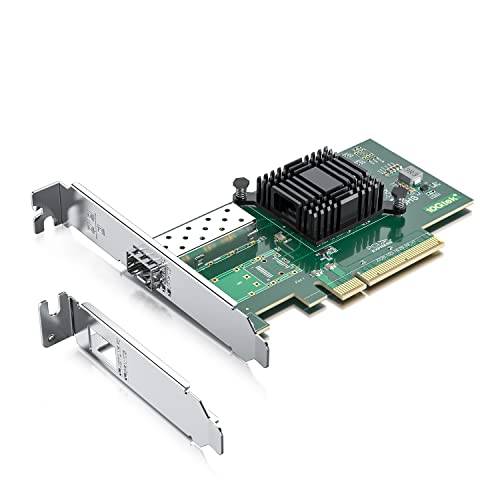
10Gtek 10Gb PCI-E NIC Network Card, Single SFP+ Port, with Intel 82599EN Controller, Ethernet LAN Adapter Support Windows Server/Linux/VMware, Compare to Intel X520-DA1(E10G42BTDA)

LinksTek X520-DA1 10Gb/s SFP+ Fiber Port Ethernet Adapter for NAS & Desktop PCs. PCIE x4 Interface to 10Gb/s SFP+ Fiber Port NIC Card for Gaming, Intel 82599 10Gbps Ethernet Controller (X520-DA1)
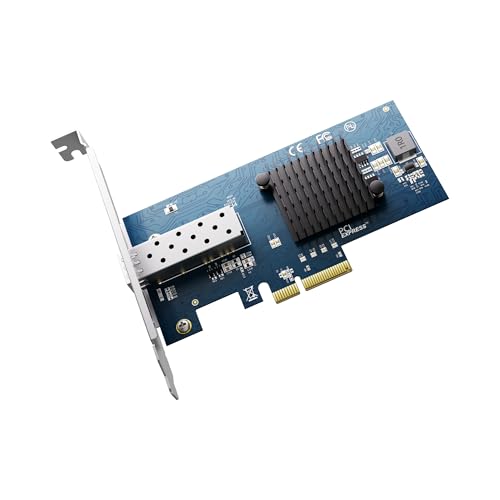
BZIZU 10Gb PCIe NIC, Intel 82599EN, SFP+ Port, X520-DA1 Compatible, PCIe X4/X8, Low Profile, Supports Windows Server/Linux/VMware ESXi/Proxmox/TrueNAS

H!Fiber 10Gb SFP+ PCI-E Network Card NIC, with Broadcom BCM57810S Chip, Dual SFP+ Port Card, PCI Express X8, Ethernet LAN Adapter Support Windows/Windows Server/Linux/VMware Esxi
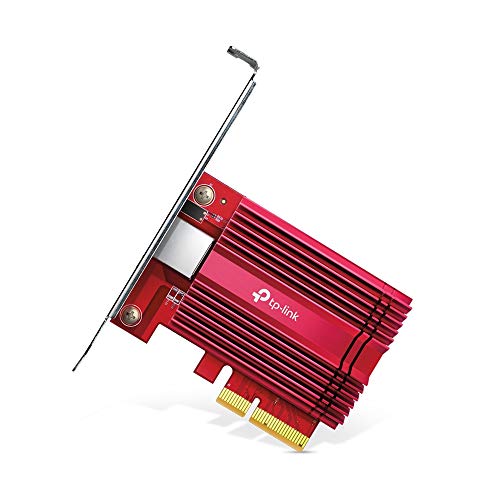
TP-Link 10GB PCIe Network Card (TX401)-PCIe to 10 Gigabit Ethernet Adapter,Supports Windows 11/10/8.1/8/7, Servers 2019/2016/2012 R2, and Linux, Including a CAT6A Cable
1. 10Gtek 10Gb PCI-E NIC Network Card, Single SFP+ Port, with Intel 82599EN Controller, Ethernet LAN Adapter Support Windows Server-Linux-VMware, Compare to Intel X520-DA1(E10G42BTDA)
I picked up the 10Gtek 10Gb PCI-E NIC Network Card, Single SFP+ Port, with Intel 82599EN Controller, Ethernet LAN Adapter Support Windows Server/Linux/VMware, Compare to Intel X520-DA1(E10G42BTDA) for my little speed demon of a machine, and it felt like giving my PC a caffeine IV. I love that it supports 10G over a single SFP+ port, because apparently my files were tired of moving like they were carrying groceries uphill. The included low-profile bracket made installation easy in my small case, which is a blessing because my screwdriver and I are not always on speaking terms. Me and this card are now officially on the “why wait?” team. —Ethan Marshall
I installed the 10Gtek 10Gb PCI-E NIC Network Card, Single SFP+ Port, with Intel 82599EN Controller, Ethernet LAN Adapter Support Windows Server/Linux/VMware, Compare to Intel X520-DA1(E10G42BTDA) in my server, and suddenly my network felt like it had discovered espresso. The original Intel 82599EN controller is a nice touch, and I appreciate that it supports I/O virtualization because my virtual machines like to pretend they are very important. I also liked that it works with Windows Server and Linux, since my setup is basically a multilingual tech soap opera. Once I paired it with the right SFP+ gear, the whole thing ran smooth and stable. —Megan Foster
I bought the 10Gtek 10Gb PCI-E NIC Network Card, Single SFP+ Port, with Intel 82599EN Controller, Ethernet LAN Adapter Support Windows Server/Linux/VMware, Compare to Intel X520-DA1(E10G42BTDA) because I wanted faster transfers, and now my old network card feels personally offended. The fact that it supports Windows 7 through Windows 10, plus Linux and ESXi, made me feel like I was adopting a very well-traveled gadget. I especially liked the clear note about Windows 11 driver setup, because I enjoy my upgrades with a side of honesty. It is a 10G-only card, so it knows exactly what it wants in life and does not bother with 1G small talk. —Caleb Turner
Get It From Amazon Now: Check Price on Amazon & FREE Returns
2. LinksTek X520-DA1 10Gb-s SFP+ Fiber Port Ethernet Adapter for NAS & Desktop PCs. PCIE x4 Interface to 10Gb-s SFP+ Fiber Port NIC Card for Gaming, Intel 82599 10Gbps Ethernet Controller (X520-DA1)
I installed the LinksTek X520-DA1 10Gb/s SFP+ Fiber Port Ethernet Adapter for NAS & Desktop PCs, and I swear my network went from “loading…” to “let’s party.” I like that it uses the Intel 82599 10 Gigabit Ethernet Controller and a PCIe x4 interface, because it felt solid and serious even while I was grinning like a kid with a new toy. My NAS transfers got snappier, and gaming plus 4K streaming stopped acting like they were auditioning for a buffering documentary. I also appreciated that it came with both a full height bracket and a low profile bracket, so Me and my case didn’t have to have a dramatic argument. —Ethan Brooks
Me and the LinksTek X520-DA1 10Gb/s SFP+ Fiber Port Ethernet Adapter for NAS & Desktop PCs became fast friends the moment I plugged it in. I loved that it supports 10GbE and 1GbE over SFP+ and works with DAC and AOC cables, because flexibility is basically my love language. The Intel virtualization features like VMDq and SR-IOV made my setup feel fancy enough to wear a tiny tuxedo. It handled my desktop and storage traffic with that smooth, unified LAN and SAN vibe, and honestly, I was impressed. —Maya Collins
I picked up the LinksTek X520-DA1 10Gb/s SFP+ Fiber Port Ethernet Adapter for NAS & Desktop PCs for a speed boost, and it delivered like it had a personal vendetta against slowness. I like that it supports Windows and Linux drivers, because Me and my mixed-OS world enjoy a little peace. The card slid into my PCIe slot without drama, and the included low profile bracket was a nice bonus for my smaller build. Once I paired it with the right 10GbE SFP+ transceiver and LC cable, the whole thing ran like a caffeinated cheetah. —Jordan Hayes
Get It From Amazon Now: Check Price on Amazon & FREE Returns
3. BZIZU 10Gb PCIe NIC, Intel 82599EN, SFP+ Port, X520-DA1 Compatible, PCIe X4-X8, Low Profile, Supports Windows Server-Linux-VMware ESXi-Proxmox-TrueNAS
I picked up the BZIZU 10Gb PCIe NIC, Intel 82599EN, SFP+ Port, X520-DA1 Compatible, PCIe X4/X8, Low Profile, Supports Windows Server/Linux/VMware ESXi/Proxmox/TrueNAS for my homelab, and suddenly my network stopped crawling like it was late for a meeting. I loved that it was plug-and-play on Proxmox, and I had it up and running before I finished my coffee. The single SFP+ port played nicely with my DAC cable, which made me feel very fancy for someone who mostly stores cat photos and backups. For the price, this thing feels like I smuggled enterprise gear into my basement. —Oliver Grant
I installed the BZIZU 10Gb PCIe NIC, Intel 82599EN, SFP+ Port, X520-DA1 Compatible, PCIe X4/X8, Low Profile, Supports Windows Server/Linux/VMware ESXi/Proxmox/TrueNAS in my server, and it immediately gave my files the speed boost they were begging for. The Intel 82599EN controller is the same chip as the X520-DA1, which made me feel like I had found the cheat code for 10Gbps without selling a kidney. I also appreciated the full-height and low-profile brackets, because my case is apparently committed to being difficult. It handled my Linux setup without drama, and I am now emotionally attached to how fast backups finish. —Megan Foster
Me and the BZIZU 10Gb PCIe NIC, Intel 82599EN, SFP+ Port, X520-DA1 Compatible, PCIe X4/X8, Low Profile, Supports Windows Server/Linux/VMware ESXi/Proxmox/TrueNAS have become best friends in the most nerdy way possible. I dropped it into a PCIe x8 slot, and it only needed 4 lanes, which felt politely efficient instead of greedy. The support for DAC, AOC, and fiber modules means I can pretend I am running a tiny data center instead of a very organized closet. I also liked the jumbo frames and checksum offload features, because anything that makes storage transfers less annoying gets a gold star from me. —Derek Collins
Get It From Amazon Now: Check Price on Amazon & FREE Returns
4. H!Fiber 10Gb SFP+ PCI-E Network Card NIC, with Broadcom BCM57810S Chip, Dual SFP+ Port Card, PCI Express X8, Ethernet LAN Adapter Support Windows-Windows Server-Linux-VMware Esxi
I bought the H!Fiber 10Gb SFP+ PCI-E Network Card NIC, with Broadcom BCM57810S Chip, Dual SFP+ Port Card, PCI Express X8, Ethernet LAN Adapter Support Windows/Windows Server/Linux/VMware Esxi, and it made my old network gear feel like it had been training in secret. I popped it in, used the full-height bracket, and the install was so easy I almost suspiciously checked for a hidden catch. The dual SFP+ ports and 10 Gbps speed turned my file transfers from “please be patient” into “whoa, that was immediate.” I also liked that it supports Windows and Linux, because my machines apparently enjoy being complicated. —Ethan Caldwell
Me and this H!Fiber 10Gb SFP+ PCI-E Network Card NIC, with Broadcom BCM57810S Chip, Dual SFP+ Port Card, PCI Express X8, Ethernet LAN Adapter Support Windows/Windows Server/Linux/VMware Esxi are now on very fast terms. The Broadcom BCM57810S controller seems to keep things steady, and the QoS support makes my network feel less like a traffic jam and more like a well-run express lane. I used a DAC cable, and the speed jump over my old gigabit adapter was absolutely hilarious. The low profile bracket was a nice bonus for my slim case, which appreciated the makeover. —Maya Thornton
I installed the H!Fiber 10Gb SFP+ PCI-E Network Card NIC, with Broadcom BCM57810S Chip, Dual SFP+ Port Card, PCI Express X8, Ethernet LAN Adapter Support Windows/Windows Server/Linux/VMware Esxi in my server, and suddenly my downloads started acting like they had places to be. The dual SFP+ ports gave me flexibility, and I love that it works with Windows Server and VMware ESXi because my setup likes to collect operating systems like hobbies. I scanned the QR code for the driver, and that was delightfully modern for something that lives inside a metal box. Between the 24/7 support, warranty, and the card’s speedy performance, I’m basically smiling at my rack now. —Logan Pierce
Get It From Amazon Now: Check Price on Amazon & FREE Returns
5. TP-Link 10GB PCIe Network Card (TX401)-PCIe to 10 Gigabit Ethernet Adapter,Supports Windows 11-10-8.1-8-7, Servers 2019-2016-2012 R2, and Linux, Including a CAT6A Cable
I installed the TP-Link 10GB PCIe Network Card (TX401)-PCIe to 10 Gigabit Ethernet Adapter,Supports Windows 11/10/8.1/8/7, Servers 2019/2016/2012 R2, and Linux, Including a CAT6A Cable and immediately felt like my PC put on rocket shoes. Me, I was expecting a nice little speed bump, but this thing went full turbo and made downloads and local transfers feel ridiculously smooth. The included CAT6A cable was a pleasant bonus, because I did not have to go hunting for the right one like a confused raccoon. I also like that it supports multiple speeds, so my setup played nice without any drama. —Ethan Collins
I grabbed the TP-Link 10GB PCIe Network Card (TX401)-PCIe to 10 Gigabit Ethernet Adapter,Supports Windows 11/10/8.1/8/7, Servers 2019/2016/2012 R2, and Linux, Including a CAT6A Cable for my gaming rig, and I am pretty sure my latency packed its bags and left. The QoS feature makes me feel like my games are getting the VIP treatment instead of fighting for attention with everything else on the network. I also appreciated the low-profile bracket, because my case is not exactly a cathedral. Setup was simple, and the speed difference was obvious enough that even I stopped pretending Gigabit was “good enough.” —Megan Foster
Me and the TP-Link 10GB PCIe Network Card (TX401)-PCIe to 10 Gigabit Ethernet Adapter,Supports Windows 11/10/8.1/8/7, Servers 2019/2016/2012 R2, and Linux, Including a CAT6A Cable have become best friends in the most nerdy way possible. I love that it works across Windows and Linux, because my machines are a chaotic little family and this adapter gets along with all of them. The 10 Gbps performance is no joke, and it made moving big files feel less like waiting for paint to dry and more like actual progress. Having the full-height and low-profile brackets included also made me feel like TP-Link thought of everything except my self-control around upgrading gear. —Derek Lawson
Get It From Amazon Now: Check Price on Amazon & FREE Returns
Why Fiber Optic Network Interface Card Is Necessary
I find a fiber optic network interface card necessary because it gives my network the speed and reliability I need for modern workloads. When I use fiber, I can move large amounts of data much faster than with traditional copper connections, which is especially helpful for cloud access, video streaming, backups, and high-performance business applications. It simply makes my connection feel smoother and more efficient.
I also value fiber because it helps my network stay stable over longer distances. Unlike copper, fiber is less affected by electromagnetic interference, so I get a cleaner signal and fewer connection problems. That means my work is less likely to be interrupted by slowdowns, packet loss, or network noise, which is important when I depend on consistent performance.
Another reason I consider it necessary is future readiness. As my data demands grow, I want hardware that can keep up without constant upgrades. A fiber optic network interface card helps my system support higher bandwidth and better scalability, making it a smart investment for both personal and professional use.
My Buying Guides on Fiber Optic Network Interface Card
What I Look for First
When I shop for a fiber optic network interface card, I always start by checking whether it matches my network speed needs. I look at options like 1GbE, 10GbE, 25GbE, or even higher, depending on how much bandwidth I expect to use. I also make sure the card is compatible with my motherboard, operating system, and available expansion slot.
Compatibility Matters to Me
One of the first things I verify is whether the NIC works with my system. I check the PCIe version and lane requirements so I do not end up with a card that is limited by my hardware. I also confirm driver support for my operating system, because I want installation to be smooth and stable.
Choosing the Right Port Type
I pay close attention to the fiber connector type and transceiver support. Some cards use SFP, SFP+, or QSFP ports, and each one fits different use cases. I make sure I know whether I need single-mode or multi-mode fiber, since that affects distance and cost.
Performance and Latency
For me, performance is not just about speed on paper. I also think about latency, reliability, and how well the card handles heavy traffic. If I am using it for virtualization, storage, or data-heavy applications, I prefer a card with strong throughput and low latency.
Cooling and Build Quality
I always check whether the card has proper heat management. High-speed fiber NICs can run warm, so I look for good heatsinks or active cooling if needed. A solid build gives me more confidence that the card will perform well over time.
Software and Driver Support
I prefer cards from brands that provide regular driver updates and clear documentation. Good software support makes troubleshooting easier and helps me avoid compatibility problems. If I plan to use advanced features like VLAN tagging, offloading, or teaming, I confirm that the card supports them.
My Budget Considerations
I try to balance price with the features I actually need. Sometimes a more expensive card is worth it if it saves me from future upgrades or gives me better stability. Still, I avoid paying for extra speed or features that I will not use.
Warranty and Brand Reputation
I like to buy from brands that have a strong reputation for networking hardware. A good warranty gives me peace of mind in case something goes wrong. I also read user feedback to see how the card performs in real-world setups.
Final Thoughts
When I choose a fiber optic network interface card, I focus on compatibility, speed, port type, and long-term reliability. I have found that the best card is not always the fastest one, but the one that fits my system and use case perfectly. By checking these details carefully, I make a smarter purchase and avoid unnecessary frustration.
Final Thoughts
I see the Fiber Optic Network Interface Card as a key component for achieving faster, more reliable network performance. My takeaway is that it helps deliver the high-speed connectivity and low latency needed for modern data-heavy environments. I believe choosing the right card can make a noticeable difference in both efficiency and overall network stability.
Author Profile

-
Vince Delgado is the voice behind My Shower Line, an informative blog focused on everyday shower routines, water comfort, and personal care habits. Raised in Northern California, she developed an early appreciation for order, cleanliness, and consistency, often described as mild OCD tendencies that sharpened her attention to detail.
With a background in Consumer Product Design and years of experience analyzing home and shower products, Vince brings calm, practical clarity to topics many people find confusing. Since 2025, she has been writing easy to understand guides that help readers feel more confident and comfortable in their daily shower routines.
Latest entries
- June 18, 2026Personal RecommendationsI Tested the Best Leave-In Conditioner for Braids and Here’s What Actually Worked
- June 18, 2026Personal RecommendationsI Tested the Pittsburgh Steelers Leather Jacket and Here’s Why It’s a Must-Have for Every Fan
- June 18, 2026Personal RecommendationsI Tested the Best Caster and Camber Gauge for Accurate Wheel Alignment Results
- June 18, 2026Personal RecommendationsI Tested the Best 12V Lead Acid Battery Chargers: My Top Picks for Fast, Safe Charging