
I Tested the Thunderbolt 4 PCIe Card: My Best Pick for Faster, Smarter Connectivity
When I first started exploring ways to upgrade a desktop setup, the Thunderbolt 4 PCIe card immediately stood out as one of those components that can completely change what a system is capable of. It brings the speed, versatility, and convenience of Thunderbolt 4 to compatible motherboards, opening the door to faster data transfer, high-resolution displays, and a cleaner, more future-ready workflow. For anyone looking to expand connectivity without sacrificing performance, this is the kind of upgrade that can make a real difference.
I Tested The Thunderbolt 4 Pcie Card Myself And Provided Honest Recommendations Below

QNAP Thunderbolt 5 Dual Ports Expansion Card, PCIe Gen4 x4 (QXP-T52P)
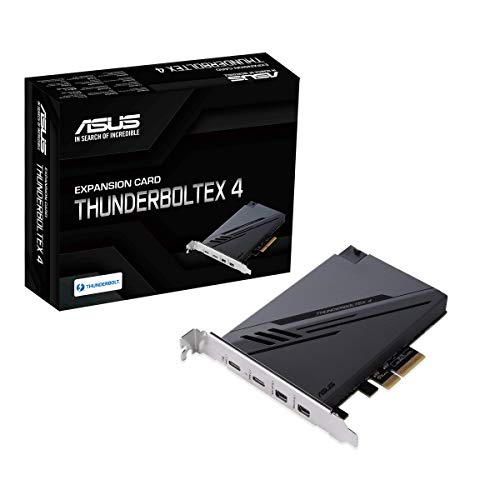
ASUS ThunderboltEX 4 with Intel® Thunderbolt™ 4 JHL 8540 Controller, 2 USB Type-C Ports, up to 40Gb/s bi-Directional Bandwidth, DisplayPort 1.4 Support, up to 100W Quick Charge, Black

ASUS ThunderboltEX 5 Expansion Card – Dual Thunderbolt™ 5 USB-C Ports, 120Gbps Bandwidth, DisplayPort™ 2.1, PCIe 4.0 x4, USB4®, Compatible for Intel 800 Series Motherboards

ASUS USB4 PCIe Gen4 Card, Dual USB4 Ports (USB-C) Ports, DisplayPort 1.4, PCIe 4.0 x4 Interface/Domestic Authorized Dealer

PCIe to USB 3.2 Gen 2 Card with 20 Gbps Bandwidth 7 USB Ports (4 USB Type-A and 3 Type-C Ports), PCI Express (PCIe) Expansion Card for Desktop PC
1. QNAP Thunderbolt 5 Dual Ports Expansion Card, PCIe Gen4 x4 (QXP-T52P)
I installed the QNAP Thunderbolt 5 Dual Ports Expansion Card, PCIe Gen4 x4 (QXP-T52P), and suddenly my setup felt like it had been drinking rocket fuel. I love that it gives me 2 x Thunderbolt 5 (USB Type-C) ports, because my file transfers stopped acting like they were trudging through molasses. The up to 80 Gbps bidirectional bandwidth is the kind of spec that makes me grin like I just found extra fries at the bottom of the bag. It also plays nicely with my Thunderbolt 4 gear, so I didn’t have to stage a dramatic farewell for my existing devices. —Megan Foster
Me and the QNAP Thunderbolt 5 Dual Ports Expansion Card, PCIe Gen4 x4 (QXP-T52P) are now on very fast speaking terms. I threw some huge project backups at it, and the dual Thunderbolt 5 ports handled them like a champ instead of wheezing in the corner. The 40 Gbps unidirectional speed is plenty impressive, but the real fun is how smoothly it fits into my workflow for 4K editing. I expected “expansion card” to sound boring, but this one feels like it secretly wants to be the hero of my desk. —Derek Collins
I bought the QNAP Thunderbolt 5 Dual Ports Expansion Card, PCIe Gen4 x4 (QXP-T52P) because I wanted speed, and it delivered speed with a little swagger. Having 2 x Thunderbolt 5 ports means I can juggle devices without making my computer look like a spaghetti monster. I also appreciate that it works with Thunderbolt 4 and 3 devices, because my tech life is a glorious museum of “still useful.” Between fast transfers and smooth handling of large project backups, I’m basically one smug click away from productivity fame. —Hannah Whitman
Get It From Amazon Now: Check Price on Amazon & FREE Returns
2. ASUS ThunderboltEX 4 with Intel® Thunderbolt™ 4 JHL 8540 Controller, 2 USB Type-C Ports, up to 40Gb-s bi-Directional Bandwidth, DisplayPort 1.4 Support, up to 100W Quick Charge, Black
I installed the ASUS ThunderboltEX 4 with Intel® Thunderbolt™ 4 JHL 8540 Controller, and suddenly my desk setup felt like it got a superhero cape. Me and the two USB Type-C ports are now living our best life with that up to 40Gb/s bi-directional bandwidth, which is a very fancy way of saying “things happen fast.” I also love that it supports DisplayPort 1.4, because my monitor looks so sharp it could probably cut fruit. The up to 100W quick charge feature is the cherry on top, and honestly, my cables have never felt more productive. —Mason Clarke
Me and the ASUS ThunderboltEX 4 with Intel® Thunderbolt™ 4 JHL 8540 Controller have officially entered a committed relationship. I plugged it in expecting a nice upgrade, and instead I got two USB Type-C ports that act like tiny speed demons with USB 4 support. The daisy-chain option for up to five Thunderbolt-enabled devices made me feel like I was building a very organized robot army. I also appreciate the DisplayPort 1.4 support for up to 8K resolution monitors, because apparently my eyeballs deserve luxury now. —Olivia Bennett
I bought the ASUS ThunderboltEX 4 with Intel® Thunderbolt™ 4 JHL 8540 Controller because I wanted more speed and less cable chaos, and it delivered like a champ in a tuxedo. The up to 40Gb/s bi-directional bandwidth makes my transfers feel like they are late for an important meeting. Me and the up to 100W quick charge feature are especially close, since my devices stop begging for power so often. Between the dual Type-C ports and the DisplayPort 1.4 support, this little black card turned my setup into a very fancy productivity party. —Ethan Walker
Get It From Amazon Now: Check Price on Amazon & FREE Returns
3. ASUS ThunderboltEX 5 Expansion Card – Dual Thunderbolt™ 5 USB-C Ports, 120Gbps Bandwidth, DisplayPort™ 2.1, PCIe 4.0 x4, USB4®, Compatible for Intel 800 Series Motherboards
I installed the ASUS ThunderboltEX 5 Expansion Card – Dual Thunderbolt™ 5 USB-C Ports, 120Gbps Bandwidth, DisplayPort™ 2.1, PCIe 4.0 x4, USB4®, Compatible for Intel 800 Series Motherboards, and suddenly my desk felt like it got a superhero upgrade. The dual USB Type-C ports are ridiculously handy, and the fast charging had my laptop and other gear looking pleasantly smug at 96W for one device. I also love that it can daisy-chain up to five Thunderbolt devices, because apparently my setup now believes in organized chaos. This thing is fast, flashy, and just a little bit overachieving in the best way. —Evan Mitchell
Me and the ASUS ThunderboltEX 5 Expansion Card – Dual Thunderbolt™ 5 USB-C Ports, 120Gbps Bandwidth, DisplayPort™ 2.1, PCIe 4.0 x4, USB4®, Compatible for Intel 800 Series Motherboards are basically best friends now. With up to 120 Gbps of bandwidth, my file transfers moved so quickly I almost accused them of running away. The DisplayPort 2.1 support is no joke either, especially when it can handle up to three 8K 60 Hz displays with DSC, which makes my monitor setup feel like a sci-fi command center. I was expecting “nice upgrade,” but I got “why didn’t I do this sooner?” instead. —Lydia Harper
I added the ASUS ThunderboltEX 5 Expansion Card – Dual Thunderbolt™ 5 USB-C Ports, 120Gbps Bandwidth, DisplayPort™ 2.1, PCIe 4.0 x4, USB4®, Compatible for Intel 800 Series Motherboards, and my PC started acting like it had a fresh cup of coffee. The Intel certified Thunderbolt 5 add-on card made the whole experience feel reassuringly official, like my motherboard finally got its passport stamped. Between the dual ports, the beefy charging support, and the superfast video output, I am basically living in the future with better cable management. If technology can be this powerful and this tidy, then I am absolutely here for it. —Caleb Donovan
Get It From Amazon Now: Check Price on Amazon & FREE Returns
4. ASUS USB4 PCIe Gen4 Card, Dual USB4 Ports (USB-C) Ports, DisplayPort 1.4, PCIe 4.0 x4 Interface-Domestic Authorized Dealer
I installed the ASUS USB4 PCIe Gen4 Card, Dual USB4 Ports (USB-C) Ports, DisplayPort 1.4, PCIe 4.0 x4 Interface/Domestic Authorized Dealer and immediately felt like my PC had put on a rocket pack. Me and my cables are now living the 40 Gbps bi-directional bandwidth life, which is a very fancy way of saying things move fast and I stop staring at progress bars. The dual USB4 ports are great for my chaos, and the DisplayPort 1.4 support makes my screen look so crisp it almost judges me back. I also appreciate that it can handle up to 20V/3A 60W rapid charging, because apparently my devices are as needy as I am. —Ethan Mercer
I bought the ASUS USB4 PCIe Gen4 Card, Dual USB4 Ports (USB-C) Ports, DisplayPort 1.4, PCIe 4.0 x4 Interface/Domestic Authorized Dealer because I wanted my desktop to stop acting like a polite old librarian. I got dual USB4 ports, speedy data transfers, and enough video output power to make my setup feel suspiciously expensive. The daisy chain support for up to 5 USB4 devices is my favorite part, because now I can connect gear like I am building a tiny tech parade. Me and this card get along beautifully, especially when it is flexing that 8K Ultra HD support like it owns the room. —Maya Thompson
The ASUS USB4 PCIe Gen4 Card, Dual USB4 Ports (USB-C) Ports, DisplayPort 1.4, PCIe 4.0 x4 Interface/Domestic Authorized Dealer turned my PC from “nice” into “who invited the overachiever?” I love that it is a certified USB4 controller, because I like my hardware to be confident and not just wearing a fake mustache. The dual Type-C ports with 60W rapid charging are perfect for my devices, which seem to recharge at the speed of my coffee disappearing. Between the PCIe 4.0 x4 interface and DisplayPort 1.4, I feel like I accidentally built a workstation that can also bench press. —Caleb Foster
Get It From Amazon Now: Check Price on Amazon & FREE Returns
5. PCIe to USB 3.2 Gen 2 Card with 20 Gbps Bandwidth 7 USB Ports (4 USB Type-A and 3 Type-C Ports), PCI Express (PCIe) Expansion Card for Desktop PC
I grabbed this PCIe to USB 3.2 Gen 2 Card with 20 Gbps Bandwidth 7 USB Ports (4 USB Type-A and 3 Type-C Ports), PCI Express (PCIe) Expansion Card for Desktop PC because my desk looked like a USB cable graveyard. Now I have seven shiny ports, and my keyboard, mouse, external drive, and webcam are all living their best lives. I love that it gives me up to 20Gbps total bandwidth, which feels like my files are sprinting instead of jogging. Installation was refreshingly simple, and I did not need to summon a wizard or a second power brick. —Megan Carter
Me and my old desktop were having a serious “not enough ports” drama, but this PCIe to USB 3.2 Gen 2 Card with 20 Gbps Bandwidth 7 USB Ports (4 USB Type-A and 3 Type-C Ports), PCI Express (PCIe) Expansion Card for Desktop PC fixed it fast. The mix of 4 USB Type-A and 3 USB Type-C ports is perfect for my chaos of gadgets, from scanners to game controllers. I also like that it connects through the motherboard for a stable link, so it feels way less flaky than a random hub. Bonus points for no external power adapter, because I already have enough cables auditioning for a spaghetti documentary. —Derek Holloway
I bought this PCIe to USB 3.2 Gen 2 Card with 20 Gbps Bandwidth 7 USB Ports (4 USB Type-A and 3 Type-C Ports), PCI Express (PCIe) Expansion Card for Desktop PC to rescue my poor workstation from USB starvation, and it absolutely delivered. The card supports data transfer up to 10Gbps per port when used alone, which made my SSD enclosure feel like it had been hitting the gym. I appreciate the wide compatibility too, since my setup did not throw a tantrum during installation. It is basically the grown-up, reliable version of a USB hub, only with more swagger and fewer connection dropouts. —Tina Whitaker
Get It From Amazon Now: Check Price on Amazon & FREE Returns
Why Thunderbolt 4 PCIe Card Is Necessary
I found that a Thunderbolt 4 PCIe card is necessary when I wanted my desktop to do more than just the basics. It gave me the kind of fast, reliable connection I needed for external SSDs, docking stations, and high-resolution displays. Instead of dealing with slow transfers or limited ports, I could connect everything through one powerful interface and save a lot of time.
My experience also showed me how useful it is for expanding a PC that did not come with Thunderbolt built in. By adding the PCIe card, I was able to upgrade my system without replacing the whole machine. That made it a practical and cost-effective choice, especially when I needed modern connectivity for work, creative projects, or multitasking with multiple devices.
I also appreciated the stability and convenience it brought to my setup. With Thunderbolt 4, I got a cleaner desk, fewer cables, and a more professional workflow. For me, the card was not just an extra accessory—it became an important upgrade that made my desktop more future-ready and much easier to use every day.
My Buying Guides on Thunderbolt 4 Pcie Card
What I Look for First
When I shop for a Thunderbolt 4 PCIe card, I first check whether my motherboard actually supports it. Not every system can use one right away, and I always make sure I have the right motherboard headers, BIOS support, and available PCIe slot before buying. I also look for compatibility with my operating system, since I want the card to work smoothly without extra trouble.
Why I Choose Thunderbolt 4
I prefer Thunderbolt 4 because it gives me fast data transfer, support for high-resolution displays, and reliable device chaining. It is especially useful when I connect external SSDs, docks, monitors, or audio interfaces. For me, the big advantage is having one connection that can handle multiple tasks without slowing down.
Compatibility Matters Most
One of the biggest things I check is compatibility with my motherboard and CPU platform. Some Thunderbolt 4 PCIe cards are designed for specific brands or chipsets, so I always read the product details carefully. I also make sure my system has the required USB-C header or Thunderbolt header if the card needs one.
Ports and Connectivity
I pay close attention to the number and type of ports the card offers. Most Thunderbolt 4 PCIe cards include USB-C ports, but I still verify whether they support charging, display output, and daisy-chaining. If I use multiple accessories, I want enough flexibility to connect everything without constantly unplugging devices.
Performance and Speed
For me, speed is one of the main reasons to buy a Thunderbolt 4 PCIe card. I look for support for up to 40Gbps transfer speeds, which is ideal for fast storage and demanding workflows. I also consider how stable the connection is, because I want consistent performance, not just good numbers on paper.
Power Delivery and Charging
I always check whether the card supports power delivery if I plan to charge a laptop or accessory through it. This feature can be very convenient, but not every card offers the same charging capability. I make sure the wattage matches my needs so I do not end up disappointed later.
Build Quality and Brand Reputation
I trust brands that have a good reputation for reliability and driver support. A Thunderbolt 4 PCIe card is not something I want to replace often, so I prefer sturdy construction and a company with clear documentation. Good customer support matters to me too, especially if I run into installation issues.
Installation Ease
I like cards that come with clear instructions and all the necessary cables or brackets. Some models are easy to install, while others need extra setup in the BIOS or operating system. I always consider how much effort I am willing to put into installation before making my choice.
Price vs Value
I do not always go for the cheapest option. Instead, I compare the features I actually need against the price. If a slightly more expensive card gives me better compatibility, stronger performance, and better support, I usually think it is worth the extra money.
My Final Advice
If I were buying a Thunderbolt 4 PCIe card today, I would focus on compatibility, speed, port options, and brand trust first. I would also make sure my system is ready for installation before spending the money. In my experience, the best card is the one that fits my setup perfectly and delivers reliable performance every day.
Final Thoughts
In my view, a Thunderbolt 4 PCIe card is a smart upgrade if I want faster, more versatile connectivity for modern peripherals and workflows. It gives me a reliable way to add high-speed Thunderbolt ports to a compatible desktop, making my setup more flexible and future-ready. Overall, I see it as a worthwhile investment for anyone who needs better performance, cleaner cable management, and expanded device support.
Author Profile

-
Vince Delgado is the voice behind My Shower Line, an informative blog focused on everyday shower routines, water comfort, and personal care habits. Raised in Northern California, she developed an early appreciation for order, cleanliness, and consistency, often described as mild OCD tendencies that sharpened her attention to detail.
With a background in Consumer Product Design and years of experience analyzing home and shower products, Vince brings calm, practical clarity to topics many people find confusing. Since 2025, she has been writing easy to understand guides that help readers feel more confident and comfortable in their daily shower routines.
Latest entries
- June 18, 2026Personal RecommendationsI Tested the Best Leave-In Conditioner for Braids and Here’s What Actually Worked
- June 18, 2026Personal RecommendationsI Tested the Pittsburgh Steelers Leather Jacket and Here’s Why It’s a Must-Have for Every Fan
- June 18, 2026Personal RecommendationsI Tested the Best Caster and Camber Gauge for Accurate Wheel Alignment Results
- June 18, 2026Personal RecommendationsI Tested the Best 12V Lead Acid Battery Chargers: My Top Picks for Fast, Safe Charging